Liver Disease in Pets: Signs, Care, and Treatment
At Summit Veterinary Care, our Fear Free certified team provides attentive veterinary care in a calm, supportive environment for pets of all ages. By carefully observing behavior, appetite, and daily habits during visits, we can detect subtle signs of early disease. Liver disease, which can affect both cats and dogs, is a serious condition where early recognition makes a significant difference in quality of life. Our approach emphasizes thorough evaluation, individualized management plans, and guidance for families navigating this complex condition.
What Is Liver Disease?
Liver disease occurs when the liver can’t function properly, affecting detoxification, nutrient metabolism, and overall health.
It can be caused by:
- Infections (bacterial, viral, or parasitic)
- Toxins (certain medications, plants, or foods)
- Fat accumulation (especially in overweight pets)
- Genetic conditions
- Tumors or cancer
The liver is remarkably resilient, so signs may not appear until significant damage has occurred.
Signs to Watch For
Because pets hide illness well, liver disease may go unnoticed until it progresses. Look for:
- Loss of appetite or weight loss
- Vomiting or diarrhea
- Lethargy or weakness
- Jaundice (yellowing of the eyes, gums, or skin)
- Increased thirst or urination
- Behavioral changes, confusion, or disorientation (hepatic encephalopathy)
If you notice any of these signs, it’s important to contact Summit Veterinary Care promptly. We’re here to help!
Diagnosis and Home-Based Support
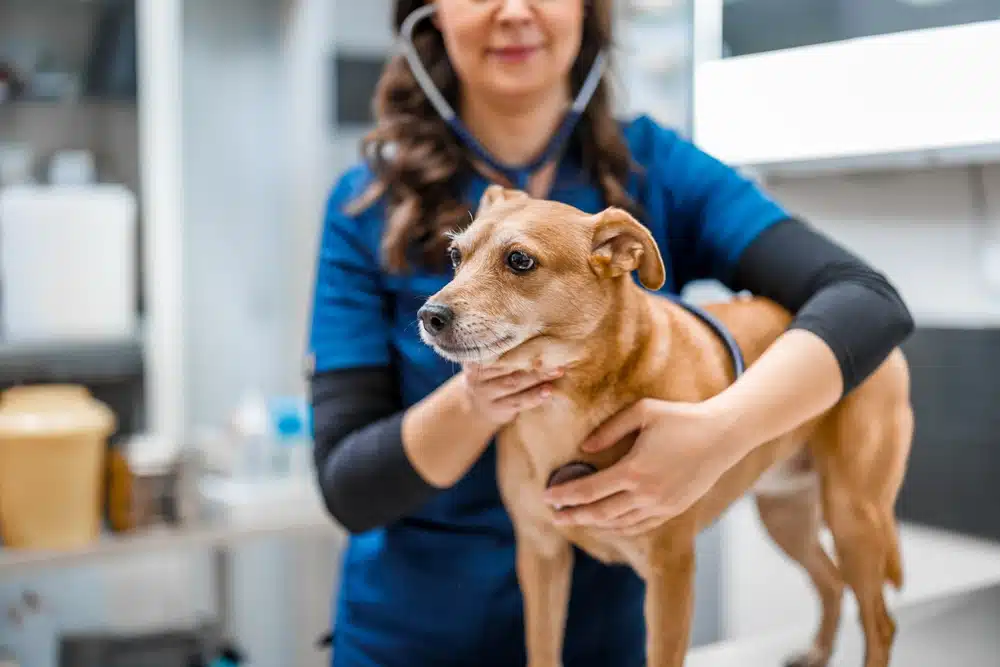
During a visit, we can assess your pet’s hydration, weight, and overall condition. Bloodwork, urinalysis, and sometimes imaging are essential for diagnosis. Once liver disease is identified, management focuses on slowing progression and supporting liver function.
Managing Liver Disease
Treatment varies depending on the cause, but often includes:
- Prescription diets:
Specially formulated to reduce liver workload and provide essential nutrients
- Medications:
Supports liver function or treat underlying conditions
- Hydration and supplements:
Sometimes necessary to support overall health
- Monitoring:
Regular assessments allow us to track subtle changes in behavior and wellbeing
Being able to manage care effectively helps to reduce fear, anxiety, and stress and helps pets maintain their routine, which is crucial for liver health.
While not all liver disease is preventable, you can reduce risk by avoiding known toxins, maintaining a healthy weight and diet for your pet, scheduling regular wellness exams and bloodwork, and observing subtle changes in behavior, appetite, or energy
At Summit Veterinary Care
At Summit Veterinary Care, we customize liver disease screening and treatments based on your pet’s lifestyle and risk factors, ensuring effective care with as little stress as possible. We are happy to support families navigating this complicated issue with their pets. Early detection and consistent monitoring give pets the best chance to stay comfortable and enjoy a good quality of life, and Summit Veterinary Care is here to help.
Share This Story, Choose Your Platform!
About the Author: Summit Veterinary Care