Fleas and Ticks in Pets: Prevention, Risks, and Why Year-Round Protection Matters
At Summit Veterinary Care, we are proud to serve the Northern Virginia community with compassionate, high-quality veterinary care in a warm and welcoming environment. One of the most common concerns we see in both dogs and cats – especially with changing seasons – is fleas and ticks. While they may seem like a minor nuisance, these parasites can quickly become a serious health issue if not properly prevented and treated.
Why Fleas and Ticks Are More Than Just an Itch
Fleas and ticks are external parasites that feed on your pet’s blood. Beyond causing discomfort, they can transmit disease, trigger allergic reactions, and lead to more serious health complications.
Even indoor pets are at risk; fleas and ticks can enter your home on clothing, other animals, or through small environmental exposures.
Fleas: Tiny Parasites, Big Problems
Fleas reproduce rapidly. A single flea can lay dozens of eggs per day, which can quickly lead to an infestation in your home.
Common signs of fleas include:
- Excessive scratching or biting at the skin
- Hair loss or thinning coat
- Red, irritated skin
- “Flea dirt” (tiny black specks in the coat)
- Restlessness or discomfort
Some pets also develop flea allergy dermatitis, where even a few flea bites can trigger intense itching and inflammation.
Ticks: Silent Hitchhikers with Serious Risks
Ticks attach to your pet’s skin and feed slowly, often going unnoticed for long periods. During feeding, they can transmit a variety of diseases.
Signs of possible tick exposure or illness may include:
- Visible ticks attached to skin
- Lethargy or decreased energy
- Fever
- Joint pain or stiffness
- Loss of appetite
Ticks in Virginia can carry diseases such as Lyme disease and ehrlichiosis, which can affect both dogs and, less commonly, cats.
Why Year-Round Prevention Is Essential
Fleas and ticks are not just seasonal problems. In many regions, including Northern Virginia, they can survive indoors and remain active during milder winter months.
Year-round prevention helps:
- Stop infestations before they start
- Reduce disease transmission risk
- Protect both pets and household environments
- Prevent repeated cycles of reinfestation
Prevention is far easier, and far more effective, than treating an active infestation.
Treatment vs. Prevention
While treatment options exist for active infestations, they often require more time, effort, and environmental management.
Prevention typically includes:
- Monthly or long-acting oral medications
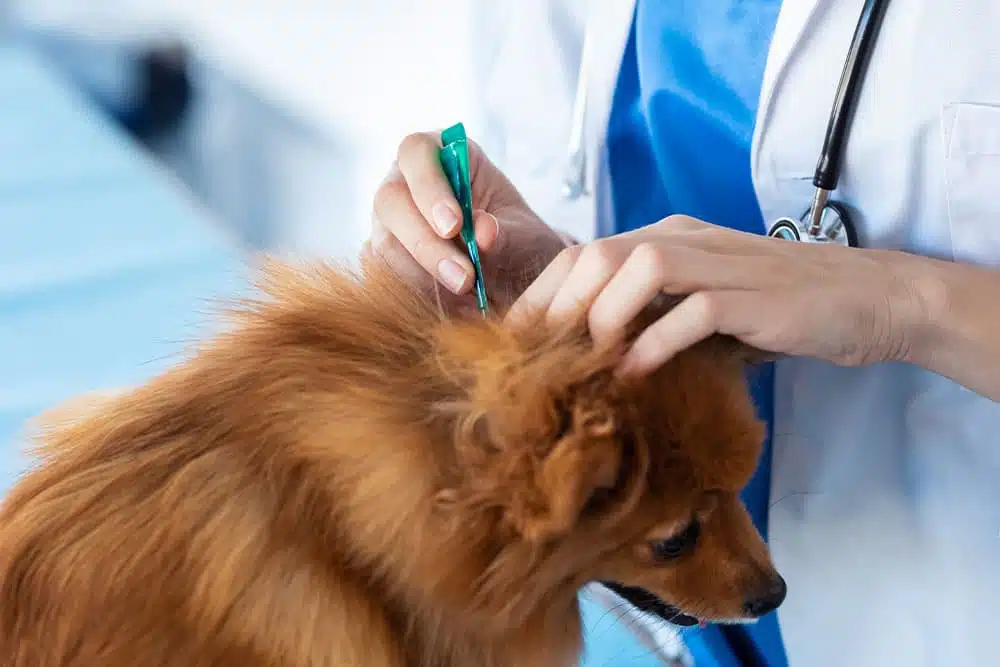
- Topical parasite preventatives
- Combination products that also protect against other parasites
We help tailor parasite prevention based on your pet’s lifestyle, age, and risk level.
The Home Environment Matters Too
If fleas are found on a pet, they are often also present in the environment. Effective control may include:
- Washing bedding in hot water
- Vacuuming carpets and furniture regularly
- Treating all pets in the household
- Environmental cleaning when needed
Because flea life cycles include eggs, larvae, and pupae stages, consistent treatment is key.
Ticks and Outdoor Exposure in Virginia
Pets who spend time outdoors, especially in wooded areas, tall grass, or parks, are at higher risk for ticks. However, even brief exposure can be enough for attachment.
After outdoor activity, it’s helpful to:
- Check your pet’s coat and skin
- Pay attention to ears, neck, underarms, and between toes
- Remove any visible ticks promptly and safely
If you’re unsure how to remove a tick, our team is always happy to help demonstrate proper technique.
When to Call Your Vet
You should contact us if your pet:
- Has a heavy flea infestation
- Shows signs of illness after a tick bite
- Develops skin irritation or hair loss
- Seems lethargic or painful
- Is not responding to over-the-counter treatments
We can help diagnose, treat, and prevent further complications.
A Simple Step That Protects Your Pet Year-Round
Fleas and ticks may be small, but their impact on your pet’s comfort and health can be significant. The good news is that prevention is straightforward, effective, and one of the easiest ways to protect your pet long-term.
At Summit Veterinary Care, we’re here to help you choose the right prevention plan and keep your pet comfortable, healthy, and parasite-free in every season.
Share This Story, Choose Your Platform!
About the Author: Summit Veterinary Care