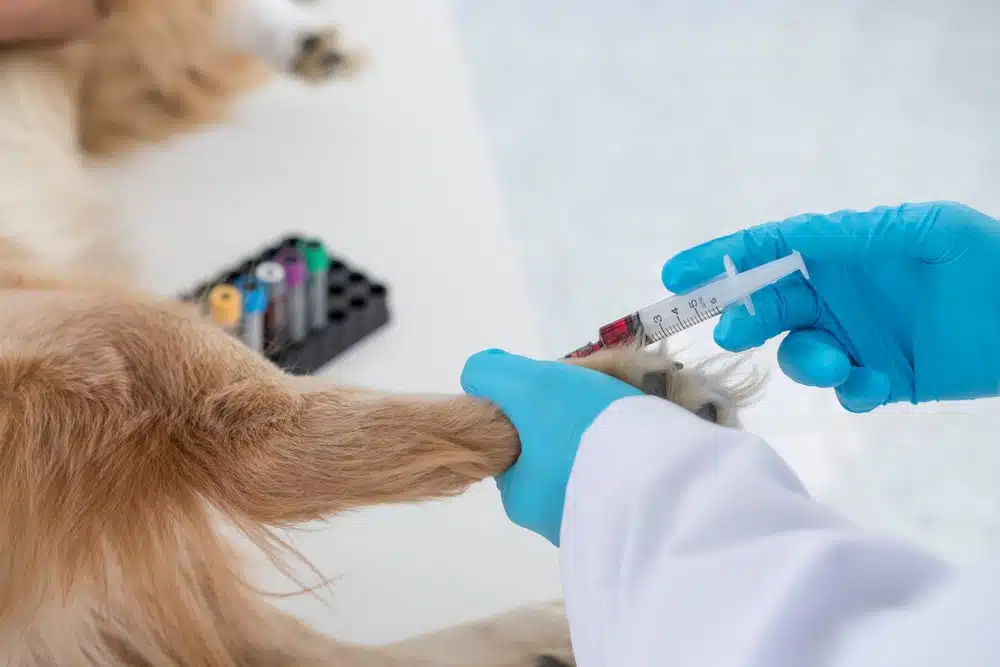
Why Routine & Baseline Bloodwork Matters for Your Pet’s Long-Term Health
At Summit Veterinary Care, we are proud to serve the Northern Virginia community with compassionate, high-quality veterinary care in a warm and welcoming environment. One of the most powerful tools we have in preventive medicine isn’t something most pets “look forward to”, but it is something that can make a major difference in catching disease early and guiding lifelong care: routine and baseline bloodwork.
These tests give us a window into what’s happening inside your pet’s body long before symptoms appear.
What Is Baseline Bloodwork?
Baseline bloodwork refers to a set of lab tests performed when your pet is healthy. The goal is to establish “normal” values for your individual pet, which we can use for comparison later in life.
Even if your pet is acting completely normal, baseline testing helps us understand:
- What is normal for your specific pet (not just averages)
- How organs like the liver and kidneys are functioning
- Early trends that may signal future disease
Think of it as creating a health snapshot for the future.
What We Typically Test
Routine bloodwork often includes a combination of:
Complete Blood Count (CBC)
This evaluates:
- Red blood cells (oxygen delivery)
- White blood cells (infection and inflammation)
- Platelets (clotting ability)
It can help detect anemia, infection, immune disease, and more.
Chemistry Panel
This looks at organ function and internal balance, including:
- Kidney values
- Liver enzymes
- Blood sugar
- Electrolytes
- Protein levels
Many diseases affecting these organs develop slowly and silently.
Urinalysis (Often Paired with Bloodwork)
Urine testing gives additional insight into:
- Kidney health
- Urinary tract infections
- Crystal or stone formation risk
- Hydration status
Blood and urine together give a much more complete picture than either test alone.
Why Do Healthy Pets Need Bloodwork?
One of the most important reasons is that pets are experts at hiding illness.
By the time symptoms appear – such as vomiting, weight loss, or lethargy – disease may already be more advanced. Routine bloodwork helps us detect changes earlier, when treatment is often simpler and more effective.
It also helps us:
- Identify early kidney or liver disease
- Catch endocrine conditions like diabetes
- Monitor subtle age-related changes
- Establish safety for anesthesia or procedures
The Value of a True “Baseline”
Having normal results on file when your pet is healthy is incredibly valuable later in life.
If your pet becomes sick, we can compare new results to their baseline and ask:
- What has changed for this individual pet?
- Is this normal aging, or something new?
- How quickly are values shifting?
This makes diagnosis faster, more accurate, and more personalized.
How Often Should Bloodwork Be Done?
We generally recommend:
- Young, healthy pets: Every 1 to 2 years
- Adult pets (middle-aged): Annually
- Senior pets: Every 6 to 12 months
Senior pets benefit most from frequent monitoring, as age-related changes can happen gradually and quietly.
Making Bloodwork Easier on Your Pet
We understand that diagnostics can feel stressful for some pets (and people). That’s why we focus on:
- Gentle, Fear Free–inspired handling
- Efficient sample collection
- Positive reinforcement when appropriate
- Clear communication throughout the process
In many cases, bloodwork can be completed quickly during a routine visit.
A Small Step That Can Change Everything
Routine bloodwork may not always show something abnormal, but when it does, it can be life-changing. Early detection often means more treatment options, better outcomes, and a higher quality of life for your pet.
At Summit Veterinary Care, we believe preventive care is one of the greatest gifts we can give our patients. Baseline bloodwork is a simple step that helps us protect your pet not just today, but for years to come.
Because the best medicine is often the kind that sees problems before they begin.
Share This Story, Choose Your Platform!
About the Author: Summit Veterinary Care