Microchipping Your Pet: A Simple Step That Can Bring Them Home
At Summit Veterinary Care, we are proud to serve the Northern Virginia community with compassionate, high-quality veterinary care in a warm and welcoming environment. While we hope every pet always stays safe at home, the reality is that accidents happen; doors get left open, fences fail, and pets can slip away faster than expected. Microchipping is one of the simplest, most effective ways to help ensure your pet has a permanent form of identification if they are ever lost.
What Is a Microchip?
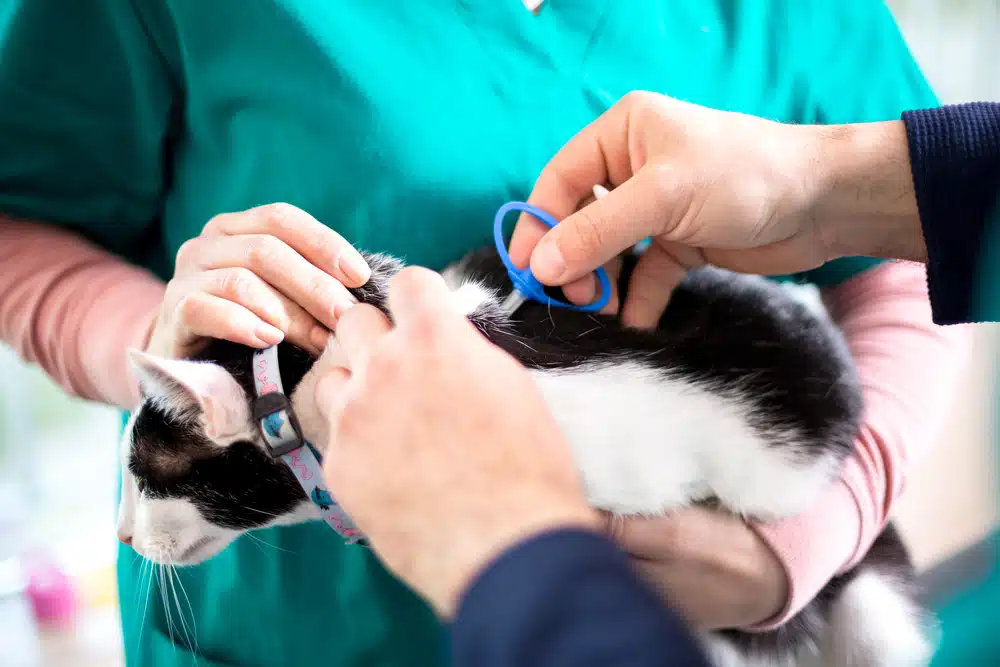
A microchip is a tiny device, about the size of a grain of rice, that is placed just under your pet’s skin, typically between the shoulder blades.
It is not a GPS tracker. Instead, it contains a unique identification number that can be read with a special scanner used by veterinary clinics, shelters, and animal control facilities.
That number is linked to your contact information in a secure database.
How the Procedure Works
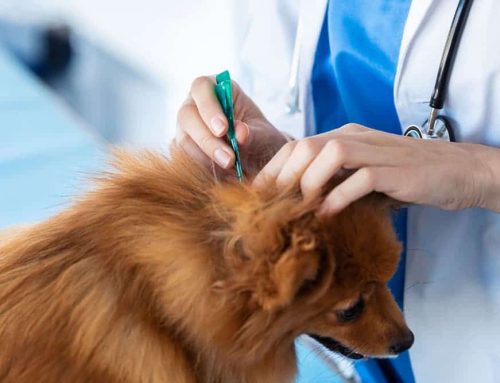
Microchipping is a quick, routine procedure that does not require anesthesia.
Here’s what to expect:
- The chip is injected just beneath the skin using a needle
- The process takes only a few seconds
- Most pets experience minimal discomfort, similar to a vaccine
- No special aftercare is typically needed
It can be done during a regular exam or alongside other routine services like vaccinations or spay/neuter surgery.
Why Microchipping Matters
Collars and ID tags are important, but they can break, fall off, or become unreadable. A microchip provides permanent identification that stays with your pet for life.
Microchipping helps:
- Increase the chances of a lost pet being returned home
- Provide reliable identification if collars are lost
- Support shelters and veterinary hospitals in reuniting pets with families
- Offer peace of mind for pet owners
It is one of the most effective tools for pet recovery.
What Happens If Your Pet Gets Lost?
If a lost pet is found and brought to a veterinary clinic or shelter, staff will:
- Scan the pet for a microchip
- Read the unique ID number
- Contact the registry associated with that chip
- Use your registered information to reach you
This process can often lead to reunification very quickly, sometimes within hours.
The Importance of Keeping Your Information Updated
A microchip is only as effective as the information linked to it. If you move, change phone numbers, or update email addresses, it’s essential to update your microchip registry information.
We recommend:
- Reviewing your contact details annually
- Updating information after any move or change in phone number
- Confirming your registration is active and accurate
This small step ensures your pet can always be traced back to you.
Microchips and Safety: What They Don’t Do
It’s important to understand what a microchip does not do:
- It does not track your pet’s location
- It does not have a battery
- It does not transmit signals
Instead, it works as a permanent ID that can be scanned when your pet is found.
When Should Pets Be Microchipped?
We recommend microchipping:
- Puppies and kittens at their first veterinary visits
- Newly adopted pets, regardless of age
- Any pet that spends time outdoors
- Pets traveling or boarding away from home
However, pets of any age can be microchipped safely.
A Small Step with a Big Impact
Microchipping is one of the simplest preventive measures in veterinary medicine, but it can make a life-changing difference. Collars help, tags help – but a microchip provides a permanent safety net that can bring lost pets back to the people who love them.
Peace of Mind for Pet Families
At Summit Veterinary Care, we believe prevention is one of the most powerful tools we have in protecting pets. Microchipping is a small, quick procedure that offers lasting peace of mind and significantly improves the chances of reunion if the unexpected happens.
Because keeping pets safe isn’t just about care in the clinic, it’s about protecting them in the world beyond it.
Share This Story, Choose Your Platform!
About the Author: Summit Veterinary Care