Cherry Eye Surgery for Pets: Restoring Comfort and Eye Health
At Summit Veterinary Care, we are proud to serve the Northern Virginia community with compassionate, high-quality veterinary care in a warm and welcoming environment. We understand how concerning it can be to notice something unusual about your pet’s eyes, especially when it appears suddenly. Conditions like “cherry eye” can look alarming, but with the right care and timely treatment, they are very manageable, and often highly treatable.
What Is Cherry Eye?
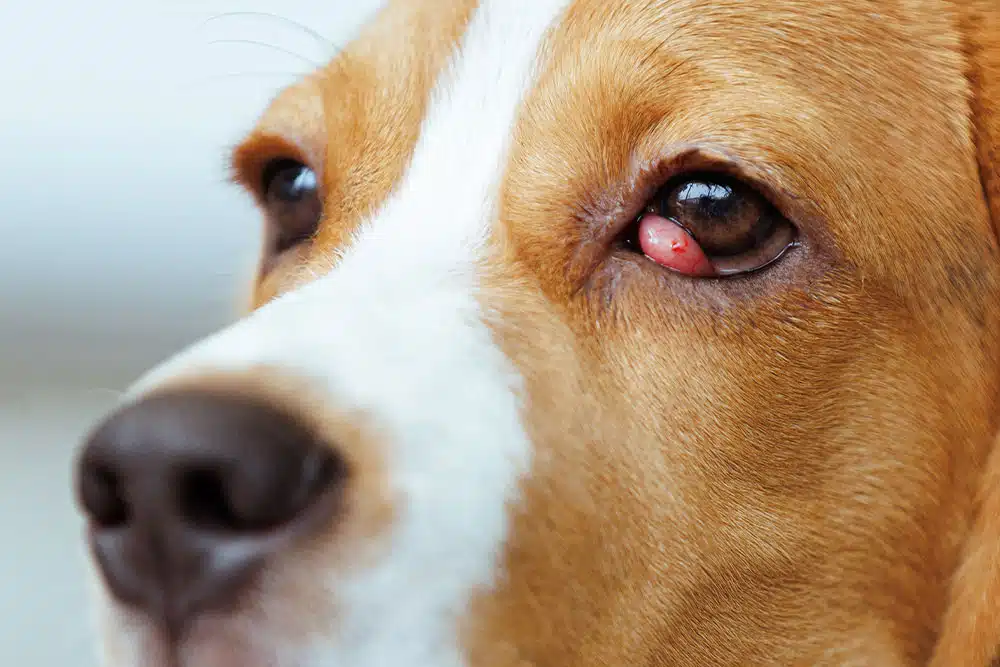
“Cherry eye” is the common term for a prolapsed gland of the third eyelid. Pets have a third eyelid (also called the nictitating membrane) that contains a tear-producing gland. When this gland becomes displaced, it can appear as a pink or red bulge in the corner of the eye.
While it may not always be immediately painful, cherry eye can lead to irritation and long-term issues if left untreated.
Why Treatment Matters
The gland associated with cherry eye plays an important role in tear production. In fact, it contributes significantly to keeping your pet’s eyes properly lubricated.
If the gland remains out of position or is removed, pets are at a higher risk of developing dry eye (keratoconjunctivitis sicca), a chronic condition that can lead to discomfort, infections, and vision problems.
That’s why preserving and repositioning the gland, rather than removing it, is the preferred approach.
Signs of Cherry Eye
Cherry eye is often easy to recognize. You may notice:
- A pink or red swelling in the inner corner of the eye
- Mild discharge or tearing
- Occasional rubbing or pawing at the eye
- Visible tissue that seems to come and go (especially early on)
Even if your pet doesn’t seem bothered, it’s important to have the eye evaluated promptly.
How Is Cherry Eye Treated?
In some mild or early cases, medical management may be attempted. However, surgery is typically recommended to correct the issue and prevent recurrence.
Cherry eye surgery involves carefully repositioning the gland back into its normal location and securing it in place. This allows the gland to continue functioning properly while restoring a normal appearance to the eye.
What to Expect with Surgery
At Summit Veterinary Care, we approach every procedure with precision and care.
Before surgery, your pet will receive a comprehensive exam, and we may recommend pre-anesthetic testing to ensure safety.
During the procedure:
- Your pet is placed under general anesthesia
- The gland is gently repositioned
- A specialized technique is used to secure the gland while preserving tear production
Our goal with correction is long-term comfort and function.
Recovery and Aftercare
After surgery, most pets return home the same day with:
- Pain management medication
- Anti-inflammatory and/or eye medications
- An e-collar to prevent rubbing or scratching
Recovery is typically smooth, with healing occurring over 10–14 days. It’s important to follow all aftercare instructions to support proper healing and reduce the risk of recurrence.
We’ll schedule follow-up visits to ensure everything is healing as expected.
Our Approach to Eye Care
Eye conditions can feel urgent and stressful, but our goal is to make the experience as reassuring as possible. At Summit Veterinary Care, we combine medical expertise with clear communication and a supportive, low-stress environment.
We take the time to:
- Evaluate your pet thoroughly
- Explain treatment options clearly
- Perform surgery with precision
- Support you through recovery and beyond
Helping Your Pet Feel Like Themselves Again
Cherry eye may look concerning, but with timely care, pets typically recover very well and return to their normal, happy selves quickly.
If you’ve noticed changes in your pet’s eye or have concerns about irritation or swelling, our team is here to help. At Summit Veterinary Care, we’re committed to protecting your pet’s comfort, vision, and overall well-being, every step of the way.
Share This Story, Choose Your Platform!
About the Author: Summit Veterinary Care