
Bringing Home a New Pet: How to Set Them (and You) Up for Success
At Summit Veterinary Care, we are proud to serve the Northern Virginia community with compassionate, high-quality veterinary care in a warm and welcoming environment. Few things are more exciting than bringing a new pet into your home, but it can also feel overwhelming in those first few days. Whether you’ve adopted a puppy, kitten, or adult rescue, those early moments are important for building trust, routine, and long-term health habits.
This guide walks you through what to expect and how to help your new pet adjust smoothly.
The First 24 – 72 Hours: Letting Them Settle In
The first few days are all about adjustment. Your new pet is learning an entirely new environment: new smells, sounds, people, and routines.
It’s normal for pets to:
- Be quiet or withdrawn at first
- Explore slowly or cautiously
- Have changes in appetite or sleep
- Show mild anxiety or clinginess
Give them space to decompress. Keep things calm, predictable, and low-pressure.
Helpful tips:
- Limit visitors during the first few days
- Keep noise and activity low
- Let your pet explore at their own pace
- Avoid overwhelming them with too many new experiences at once
Setting Up a Safe, Comfortable Space
Every new pet should have a “safe zone” where they can relax without pressure.
This might include:
- A crate (for dogs or puppies)
- A quiet room (for cats or shy pets)
- A bed, blanket, or familiar-smelling item
- Food and water nearby
- A litter box (for cats) placed in an easily accessible, quiet location
This space helps them feel secure and gives them control over their environment, which is something especially important for nervous or rescue pets.
Establishing a Routine Early
Pets thrive on predictability. A consistent routine helps reduce stress and speeds up adjustment.
Try to establish:
- Regular feeding times
- Scheduled potty breaks or litter box access
- Consistent sleep arrangements
- Short, calm training or bonding sessions
Routine builds confidence and helps your pet understand what to expect each day.
First Veterinary Visit: What to Expect
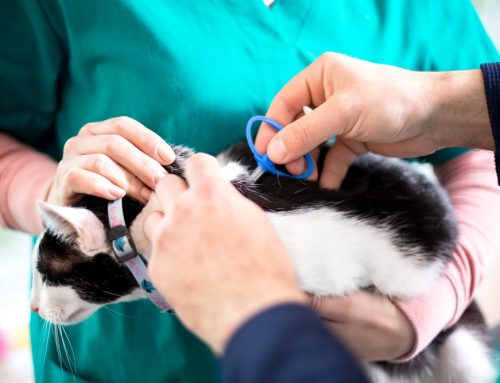
We recommend scheduling a new pet exam soon after adoption, ideally within the first week or two. This visit helps establish a health baseline and ensures your pet starts off on the right track.
During the first visit, we typically:
- Perform a full physical exam
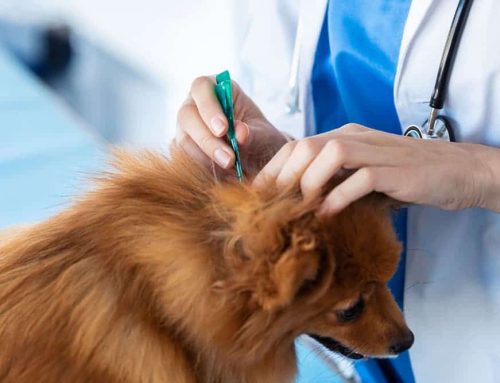
- Check for parasites (fleas, ticks, intestinal worms)
- Review vaccine history or start appropriate vaccines
- Discuss nutrition and feeding plans
- Talk about behavior, training, and adjustment
- Address any immediate concerns you’ve noticed at home
If your pet is especially nervous, we can tailor the visit using low-stress handling or confidence-building techniques.
Nutrition and Feeding Transitions
Changing food too quickly can upset your pet’s stomach, especially after adoption stress.
If possible:
- Continue their current diet initially
- Transition gradually over 5 – 7 days if changing foods
- Feed consistent portions at regular times
- Monitor appetite and stool quality
If you’re unsure what your pet has been eating, we can help you choose an appropriate diet based on age, size, and health needs.
Introducing Other Pets
If you already have pets at home, introductions should be slow and controlled.
Best practices include:
- Separate spaces at first
- Gradual scent introduction (blankets or bedding exchange)
- Short, supervised meetings
- Positive reinforcement during calm interactions
- Avoid forcing direct contact too soon
Some pets adjust quickly, while others need weeks to feel comfortable.
Common Adjustment Behaviors
New pets may show behaviors that improve with time and structure, such as:
- Mild accidents in the house
- Chewing or scratching
- Vocalizing or pacing
- Hesitation with eating
- Seeking constant attention
These are often normal adjustment responses, not “bad behavior.”
When to Call Your Vet
Reach out if you notice:
- Refusal to eat for more than 24 hours (especially kittens/puppies)
- Persistent vomiting or diarrhea
- Extreme lethargy or weakness
- Signs of pain or distress
- Difficulty breathing or collapse
We’re here to help guide you through what’s normal and what needs attention.
Building a Lifelong Relationship
Adoption is the beginning of a long journey together. The first few weeks are about trust, structure, and understanding your pet’s personality.
At Summit Veterinary Care, we’re here to support you through every stage: from that first wellness exam to ongoing preventive care and beyond. Our goal is to help your new pet not just adjust, but thrive in their new home.
Because a strong start makes all the difference.
Share This Story, Choose Your Platform!
About the Author: Summit Veterinary Care