Tools We Use During Exams (and Why They Matter for Your Pet’s Care)
At Summit Veterinary Care, we are proud to serve the Northern Virginia community with compassionate, high-quality veterinary care in a warm and welcoming environment. When you bring your pet in for an exam, what you see is often just one part of the visit: the conversation, the gentle handling, and the physical check-up. Behind the scenes, we also rely on a variety of tools that help us gather important information quickly, safely, and as comfortably as possible for your pet.
These tools help improve accuracy, reduce stress, and make sure we can provide the best possible care in real time.
The Stethoscope: Listening Beyond What We Can See
One of the simplest but most important tools in veterinary medicine is the stethoscope. It allows us to listen to your pet’s heart and lungs, helping us detect things like:
- Heart murmurs or irregular rhythms
- Changes in breathing patterns
- Signs of fluid or congestion in the lungs
This quick, non-invasive step gives us a valuable snapshot of your pet’s internal health during every exam.
Digital Thermometers: A Small Tool with Big Insight
A pet’s temperature can tell us a lot about their overall health. We use digital ear thermometers to quickly and safely check for:
- Fever, which may indicate infection or inflammation
- Low body temperature, which can signal serious illness or shock
We always prioritize gentle handling to make this process as low-stress as possible.
Ophthalmoscopes and Otoscopes: Looking Closer at Eyes and Ears
To examine your pet’s eyes and ears more thoroughly, we use specialized tools:
- Ophthalmoscope – helps us evaluate the back of the eye, retina, and overall eye health
- Otoscope – allows us to look deep into the ear canal for infection, inflammation, or foreign material
These tools are especially important for pets with chronic ear infections, allergies, or eye discomfort, as they help us see what isn’t visible on the surface.
Gloves, Lubrication, and Gentle Handling Tools
Some of the most important “tools” we use are actually part of our handling approach. We use:
- Gloves for hygiene and safety
- Lubrication for gentle rectal exams or temperature checks
- Towel wraps or soft positioning techniques for comfort and security
These help us perform necessary exams while minimizing stress and keeping your pet as calm as possible.
In-House Diagnostic Tools: Fast Answers When They Matter Most
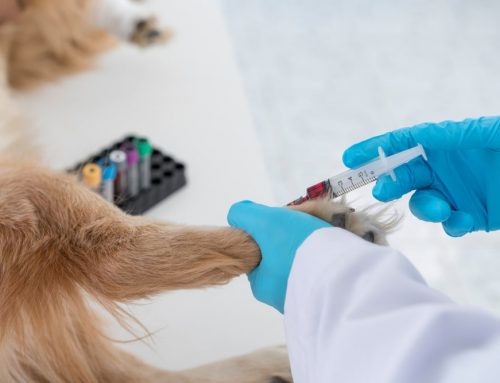
During an exam, we often use in-house diagnostic tools to get immediate insight into your pet’s health. These may include:
- Blood analysis systems for CBC and chemistry panels
- Urine testing for kidney health and infection
- Fecal testing for parasites
- Cytology tools for skin, ear, or lump evaluations
Having these tools available in-house means we don’t have to wait days for answers—we can often discuss results with you during the same visit.
IDEXX inVue Dx Analyzer: Enhanced Cellular Imaging
One of the advanced tools we use is the IDEXX inVue Dx Analyzer from IDEXX Laboratories. This system allows us to evaluate ear, skin, and blood samples using high-resolution digital imaging and AI-assisted interpretation.
It helps us quickly identify:
- Bacteria
- Yeast
- Inflammatory changes
- Cellular abnormalities
This means faster diagnoses and more targeted treatment plans, especially for conditions like ear infections and skin disease.
Why These Tools Matter for Your Pet
While these tools are important from a medical standpoint, their real value is how they improve your pet’s experience and care.
They help us:
- Make faster, more accurate decisions
- Reduce the need for repeat visits
- Minimize guesswork in treatment plans
- Keep exams efficient and as low-stress as possible
Most importantly, they support our ability to combine medical expertise with compassionate, Fear Free–focused care.
Blending Technology with Compassion
At Summit Veterinary Care, we believe great veterinary medicine is about balance. Technology helps us see more clearly, but it’s our hands, our training, and our relationship with your pet that guide how we use that information.
Every tool we use during an exam is part of a bigger goal: helping your pet feel safe, understood, and well cared for at every visit.
Share This Story, Choose Your Platform!
About the Author: Summit Veterinary Care