What Happens During an Annual Exam? A Full-Body Look at Your Pet’s Health
At Summit Veterinary Care, we are proud to serve the Northern Virginia community with compassionate, high-quality veterinary care in a warm and welcoming environment. Annual exams are one of the most important parts of preventive care, as they give us a chance to look at your pet as a whole, not just address problems as they come up. These visits help us catch early changes, track trends over time, and keep your pet feeling their best year after year.
Why Annual Exams Matter
Pets age faster than humans, which means small health changes can develop quickly. Many conditions – such as dental disease, heart issues, kidney disease, or arthritis – can begin subtly long before obvious symptoms appear.
Annual exams allow us to:
- Detect early signs of disease
- Track changes from previous visits
- Update vaccines and preventatives
- Discuss nutrition, behavior, and lifestyle
- Build a long-term health baseline for your pet
Think of it as a yearly “whole-body check-in.”
What We Examine During an Annual Visit
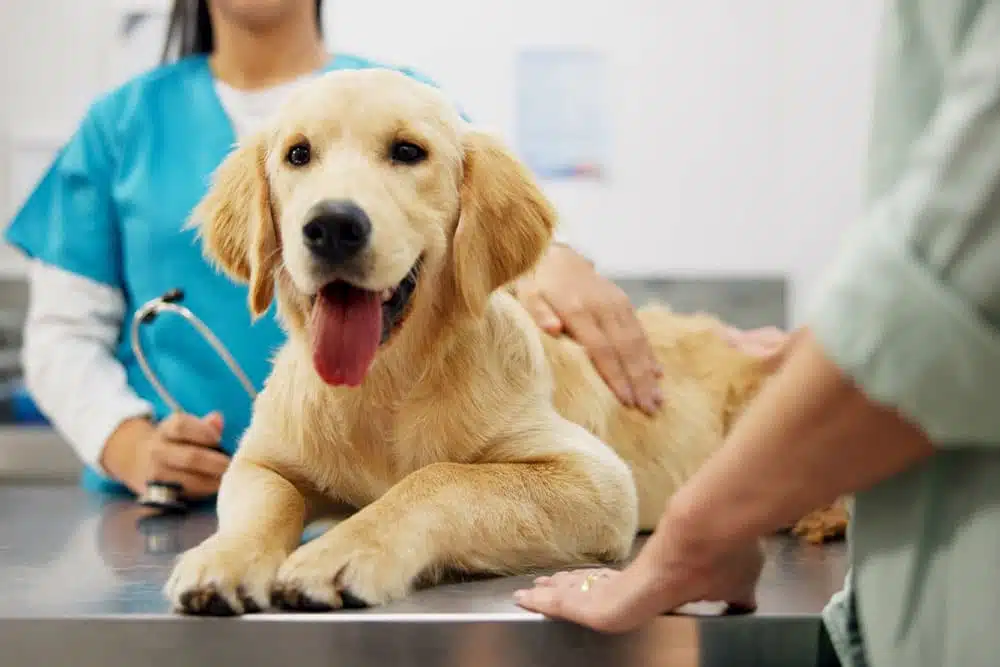
An annual exam is a systematic head-to-tail evaluation of your pet’s body systems. Each part gives us important information about overall health.
1. Eyes, Ears, Nose, and Throat
We begin with a close look at the head and face.
- Eyes: We check for cloudiness, discharge, redness, and vision changes
- Ears: We evaluate for infection, inflammation, odor, or buildup
- Nose: We assess airflow and any abnormal discharge
- Mouth and throat: We look at teeth, gums, and oral health
Dental disease is one of the most common issues we see in pets, so oral health is a major focus.
2. Heart and Lungs (Cardiovascular System)
Using a stethoscope, we listen carefully to your pet’s heart and lungs.
We evaluate for:
- Heart murmurs or irregular rhythms
- Changes in heart rate
- Abnormal lung sounds such as wheezing or crackles
This helps us identify early signs of heart disease or respiratory concerns.
3. Abdomen and Internal Organs
We gently palpate your pet’s abdomen to assess internal comfort and organ size.
We are checking for:
- Pain or sensitivity
- Abnormal masses or swelling
- Changes in liver, kidneys, or spleen size
- Gastrointestinal discomfort
Even subtle changes can give us important clues about internal health.
4. Skin, Coat, and External Health
Your pet’s skin and coat often reflect their overall health.
We look for:
- Dryness, flaking, or excessive oiliness
- Hair loss or thinning
- Lumps, bumps, or masses
- Signs of parasites like fleas or mites
- Allergic skin changes
Skin health is often connected to allergies, hormones, or internal disease.
5. Musculoskeletal System (Bones, Joints, and Mobility)
We evaluate how your pet moves, stands, and walks.
We assess:
- Joint stiffness or pain
- Muscle loss or weakness
- Signs of arthritis
- Range of motion in limbs
- Gait changes or limping
Mobility changes can be very subtle early on, especially in senior pets.
6. Neurologic Function (Brain and Nerves)
We also observe neurologic health through behavior and movement.
We may assess:
- Balance and coordination
- Reflexes
- Alertness and responsiveness
- Head tilt or abnormal eye movements
This helps us detect neurologic conditions early when treatment is most effective.
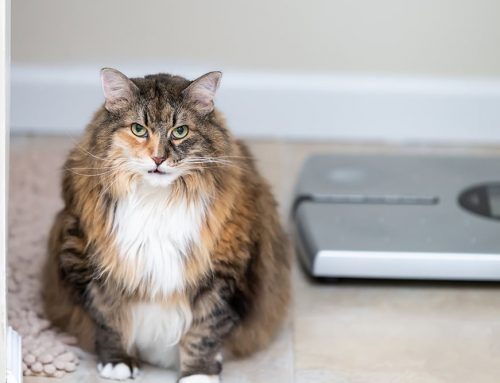
7. Weight and Body Condition
We evaluate your pet’s weight and body condition score, not just the number on the scale.
We look at:
- Muscle condition
- Fat distribution
- Overall body composition
Even small weight changes can be early indicators of disease or nutritional imbalance.
8. Lymph Nodes and Immune System
We gently palpate lymph nodes around the neck, shoulders, and hind limbs.
Enlarged lymph nodes may indicate:
- Infection
- Inflammation
- Immune system activity
- Less commonly, more serious disease
What Happens After the Exam
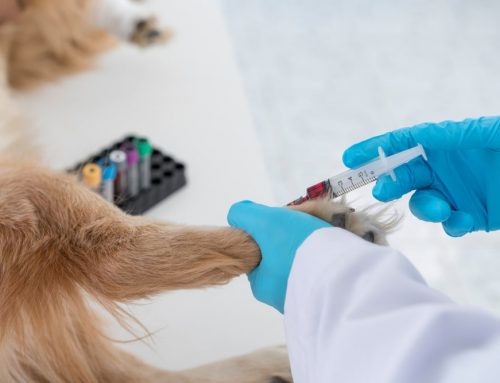
Once the physical exam is complete, we review everything with you in detail. Depending on your pet’s age and health status, we may recommend:
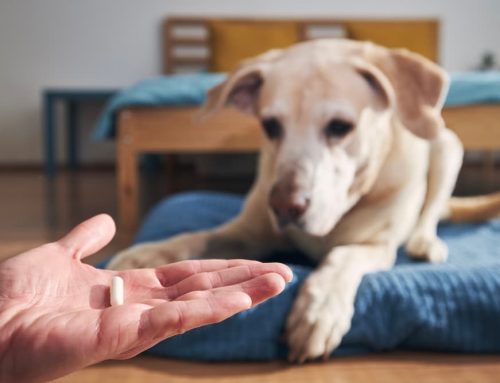
- Vaccinations
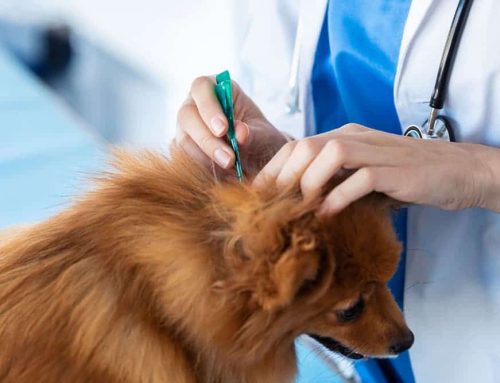
- Parasite prevention
- Routine bloodwork or urine testing
- Dental care recommendations
- Nutrition or weight management plans
- Senior screening diagnostics
We tailor every plan to your pet’s specific needs, not a one-size-fits-all checklist!
A Whole-Body Approach to Long-Term Health
At Summit Veterinary Care, annual exams are all about understanding your pet over time. Each visit builds on the last, helping us notice small changes before they become bigger problems.
Our goal is simple: to keep your pet healthy, comfortable, and thriving through every stage of life.
If you ever have questions about what we’re seeing, or why we recommend something, we’re always here to talk it through with you.
Share This Story, Choose Your Platform!
About the Author: Summit Veterinary Care